

By Carr Mitchell on Jul 3, 2026 12:15:06 PM
Death Planning Solution for: Single/Widowed People
Single/Widowed People
If you do not have a valid Will when you die, your assets will be distributed in accordance with the Intestacy Rules, laid down in the Administration of Estates Act 1925 and the Inheritance & Trustees’ Powers Act 2014. The people that you would want to inherit your assets may not and your estate’s tax position could also be affected.
Typical Existing Planning
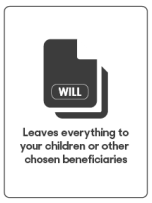
Where there is no will, or only a basic will in place, your assets are exposed to
the following risks on your death:
Creditor and Banktruptcy Claims
Similarly, if any of your beneficiaries are subject to creditor
claims/bankruptcy, the inherited estate is fully at risk.
Beneficiaries’ Own Future Care Costs
If the inheritance has been passed to your chosen beneficiaries,
these assets could later be assessed for their own care costs.
Further or Generational Inheritance Tax (IHT)
If your estate is above the current Nil Rate Band then Inheritance
Tax will be payable on your death. The remaining estate is likely to
be directed to the beneficiaries. This then adds to their estate and
could impact their own Inheritance Tax.
Divorce
If your children/chosen beneficiaries are subject to divorce
proceedings, part of what you intended them to receive is at risk
from a divorce settlement.
Our Solution
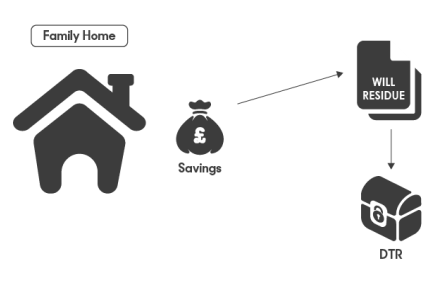
* Deals with the whole estate including the NRB and RNRB.
The beneficiaries have access to the trust funds but we ensure that these
assets do not enter their estates and so are protected from attack by the
following:
In some cases it may be beneficial to use multiple trusts. Multiple trusts can increase flexibility and autonomy, as it enables each beneficiary to have and be ‘in control’ of their ‘own Trust’. There are also various options open to trustees following death to try and reduce the impact of future tax charges in some cases.
This page contains only general guidance and is not to be construed as advice for any personal planning. Any planning should be based on bespoke advice tailored to your specific circumstances.

No Comments Yet
Let us know what you think